Launch Community Merchandise With a Clear Creator Plan
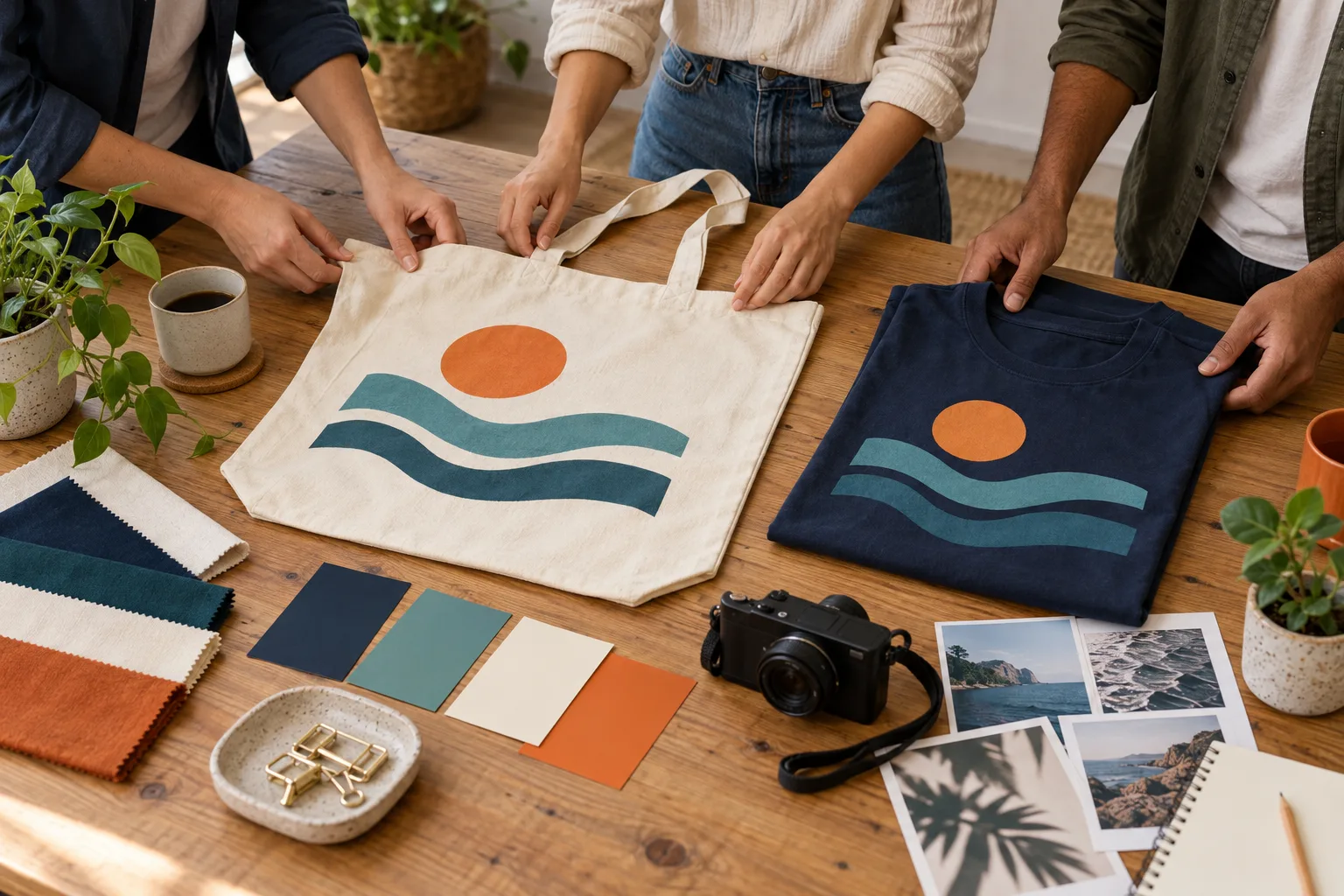
Merchandise can make a shared story tangible: a recurring idea from your podcast, a familiar visual from your videos, or something that captures your community's character. A thoughtful launch turns that connection into an understandable offer. The announcement matters, but so do the preparation behind it and the support available after someone buys.
This plan helps you prepare a community merchandise launch without treating likes as confirmed purchase intent. You do not need invented success rates. Specific feedback, a working purchase journey, and communication that fits your audience provide a more useful foundation.
1. Define the Shared Idea
Describe the collection's purpose in one sentence. “Merch for my channel” is a starting point, but it does not explain the connection. What will people recognize? Why does this design belong with your work or a moment your community has shared?
Use existing comments, questions, and conversations for inspiration. Look for recurring themes rather than automatically following the loudest individual request. An inside reference can create connection, but explain it on the product page so that newer followers can understand the offer too.
Check whether you have permission to use the intended artwork, quotations, names, and visual elements for merchandise. Keep any necessary approvals with the project. A reference being familiar to your community does not replace that check.
2. Ask for Focused Feedback
Give people a specific decision to respond to. You might compare two visual directions and ask which better represents the shared idea. Explain what the feedback will influence and which parts of the project are already settled.
Go beyond “Do you like it?” Ask when someone would wear or use the item, whether the design makes sense without an explanation, and what information they would need before considering a purchase.
Treat Interest as a Signal, Not an Order
A poll is not a sales forecast. Someone can like a design without intending to buy a product. Record which channel the feedback came from and how the question was phrased. An optional launch-notification signup may provide another signal, but it is still not a commitment to purchase.
If you collect contact details for those notifications, use an appropriate, transparent signup process. Keep launch organization separate from unsolicited promotional messages.
3. Create One Central Launch Page
Bring the information together on a page you can link to from your channels. Explain the collection's story, show the actual offers, and include variants, prices, and essential ordering information. People should not have to search through several videos or comment threads to answer a basic product question.
Use current, supportable delivery information for the destinations you serve. Review Shirtee.Cloud shipping information when preparing your store's messages. Do not promise arrival for an event unless the specific fulfillment arrangement supports that commitment.
If additional brand elements matter for your collection, explore the current Shirtee.Cloud branding options. Describe only features that are actually configured for the offer customers will receive.
4. Give Each Launch Message a Job
A launch does not require a new sales pitch every day. Assign a purpose to each piece of communication. First explain the occasion. Then introduce the collection and answer practical questions. When sales open, give people a direct link to the central page.
Later posts can explain details, show the creative process, or address recurring uncertainties. Keep the style familiar to your community. A podcast segment, email, and short video need different formats, but their product and delivery information should agree.
If sales genuinely close, state the date, time, and time zone. Mention limited quantities or deadlines only when those restrictions actually apply. An ongoing collection can have an engaging introduction without artificial scarcity or a countdown that restarts.
5. Prepare Support Before Publishing
Decide who will answer questions about sizes, orders, and delivery problems. Comments below a video are not a reliable substitute for a clearly identified support channel. Prepare short, adaptable responses and move order-specific discussions to an appropriate private contact method.
Also decide how you will communicate a delay or mistake. A confirmed update and a clear next step are more useful than an immediate guess. Set a realistic point for your next update when you need more information, and make sure someone is responsible for following through.
6. Review the Launch Using Comparable Signals
Compare visits to the launch page, product views, orders, and customer questions over the same period. Separate your own channels where your measurement reliably allows it. A post that attracts attention and a product page that helps people purchase are different outcomes.
Record which parts of the story people understood and where information was missing. Those findings will help you plan the next community moment with more confidence. For an overview of the fulfillment model behind the collection, explore print on demand with Shirtee.Cloud.