DTG, DTF or Embroidery: Choose the Right Decoration Method
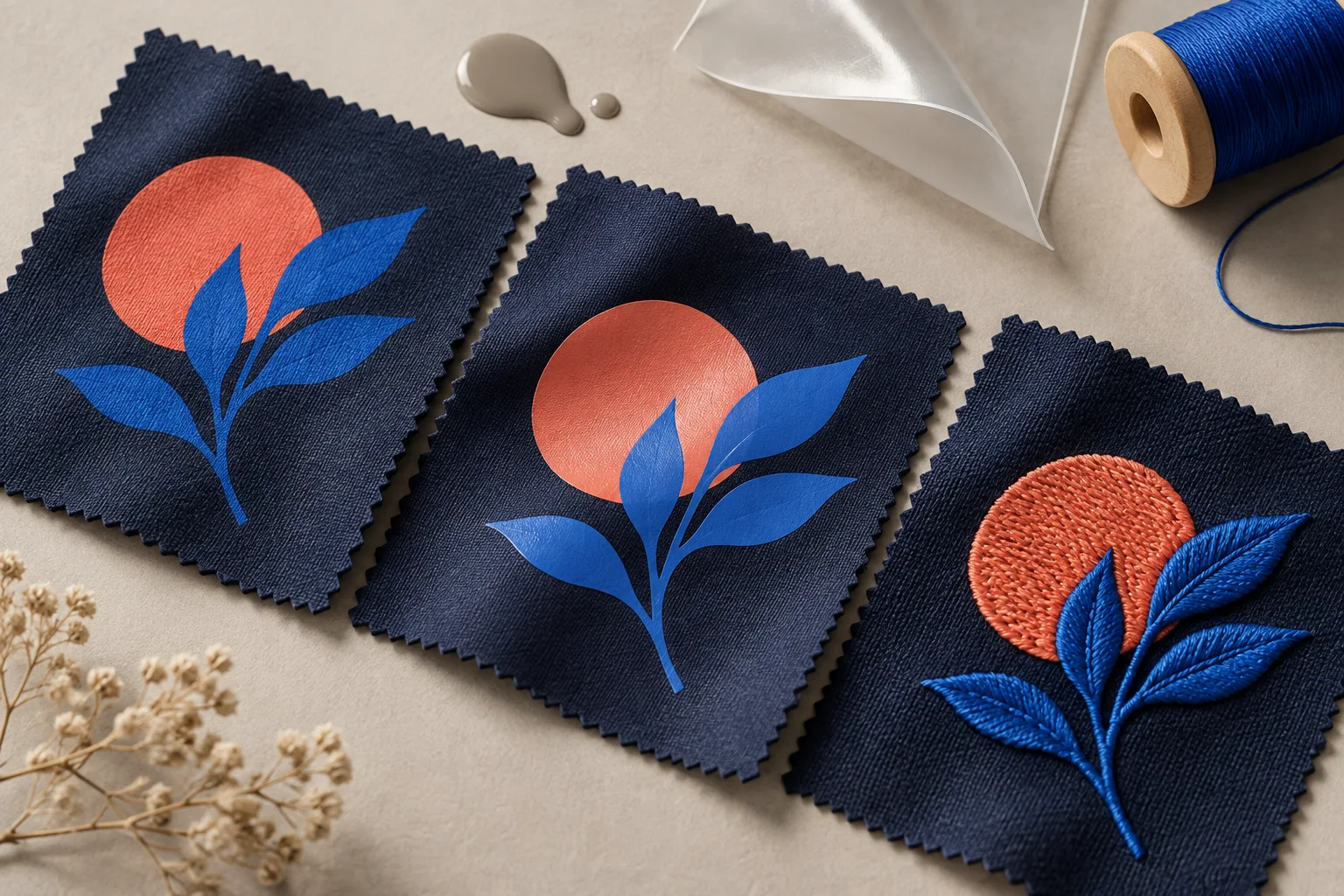
The right decoration method depends on your fabric, artwork and intended finish. A detailed illustration, a large slogan and a small chest logo place different demands on production. Understanding those differences early helps you prepare suitable files and compare samples with a clear purpose.
DTG, DTF and embroidery are distinct technical processes. Check the actual product offering to find out which options are available for a particular item. This comparison does not mean that every Shirtee.Cloud product supports all three methods.
Start with a short product brief
Write down five things before comparing methods: the exact garment, its material composition, the artwork dimensions, the placement and the design's essential features. Add how you want the finished product to feel. Are you creating a large, colourful illustration or a small brand detail with a noticeable texture?
Identify the details that must survive production. For an illustration, that might be a delicate colour transition. For a logo, it could be a distinctive letter shape. These priorities help you evaluate necessary changes. Without them, a sample comparison can easily become a collection of personal preferences rather than a useful decision.
DTG: Printing the design directly onto fabric
Direct-to-garment printing applies ink directly to the textile. It can be considered for multicoloured illustrations and image-based artwork. The suitability of a particular fabric and the feel of the finished print depend on the material, preparation and production process.
When reviewing a sample, pay attention to fine outlines, dark areas and transitions between similar colours. Assess the artwork on the garment colour you actually intend to sell. A print on a white T-shirt does not fully predict how the same file will look on a dark hoodie.
For a large design, also check how the garment drapes and moves when worn. Look at the overall result from a normal viewing distance, then inspect the details close up. Both views matter: customers experience the whole garment as well as the artwork.
DTF: Applying the design through a transfer
Direct-to-film printing first places the design onto a special film. A suitable adhesive system and heat are then used to transfer it onto the textile. Compatible materials and application settings depend on the system. The general label “DTF” therefore does not confirm suitability for every fabric.
Useful sample checks include the edges of the design, small isolated elements and the feel of the transferred area. Pay particular attention to larger solid shapes. A small digital preview gives little indication of how noticeable a decorated area will feel during wear.
Ask specific questions about uncertain effects. Can the intended gradient be reproduced? How should transparent areas be prepared? What minimum detail sizes apply? Avoid carrying over file assumptions from another process without checking them.
Embroidery: Translating artwork into thread
Embroidery builds a design with stitches and thread. The artwork needs to be converted into suitable stitch data, a process commonly called digitising. This preparation influences how outlines, filled areas and lettering appear on the fabric.
For a compact logo, consider a simplified version with clearly separated shapes. Very small lettering, thin lines and photographic transitions need particular attention. Follow the current requirements for artwork size, thread colours and minimum details. Merely enlarging an existing print graphic does not automatically resolve these design questions.
Inspect the reverse side and the fabric surrounding the embroidery too. Does the garment lie smoothly? How does the decorated area feel? Is the lettering readable from the expected distance? Take the fabric structure into account, whether the item uses smooth jersey or a more textured knit.
Compare samples using the same questions
Use a consistent review sheet for each option that is genuinely available:
- Are the essential design details still recognisable?
- Do the colour, contrast and placement suit the item?
- How do the decorated area and reverse side feel?
- Does the garment remain comfortable during normal wear?
- How does the sample look after care according to its instructions?
Record observations rather than broad judgements such as “premium quality”. A note like “the small lettering is difficult to read at arm's length” points towards a useful adjustment. Keep the filename, artwork dimensions and product variant with the assessment so you can reproduce the test.
Choose a product-and-design combination
A collection may benefit from more than one version of its artwork: a detailed print design and a simplified embroidery version, for example. Keep the shapes and colours recognisable without forcing the same level of detail into every application.
Use the Shirtee.Cloud product overview as a starting point for selecting an item. Then check the specific decoration option and resolve technical questions through Shirtee.Cloud's contact page. Base the final decision on the combination of file, process and fabric you have actually checked.